Where scientists draw the line on AI agents
A Blog post by Ai2 on Hugging Face.
Read at huggingface.co ↗
Papers, evaluations, benchmarks and lab write-ups.
A Blog post by Ai2 on Hugging Face.
Read at huggingface.co ↗ 

“TangiMap” uses an AI agent to reprogram how buttons, knobs, and sliders are used, helping users do things like edit photos and perform music in a more dynamic, tactile way.
Read at news.mit.edu ↗
Mass Spec Skills empowers scientists using Google Antigravity to interpret tandem mass spectra.
Read at deepmind.google ↗
Marina Petrova’s dot Aria helps research websites and build proposals, while proactively flagging messages and resolving issues.
Read at openai.com ↗
Analyzing speakers of 21 languages, an MIT study using multilingual AI finds the human brain may represent meaning in much the same way.
Read at news.mit.edu ↗


Could the scientific method be emergent?
Read at importai.substack.com ↗
The “SLIC” training method enables a small LLM to compete with much more resource-intensive models in complex circuit design tasks.
Read at news.mit.edu ↗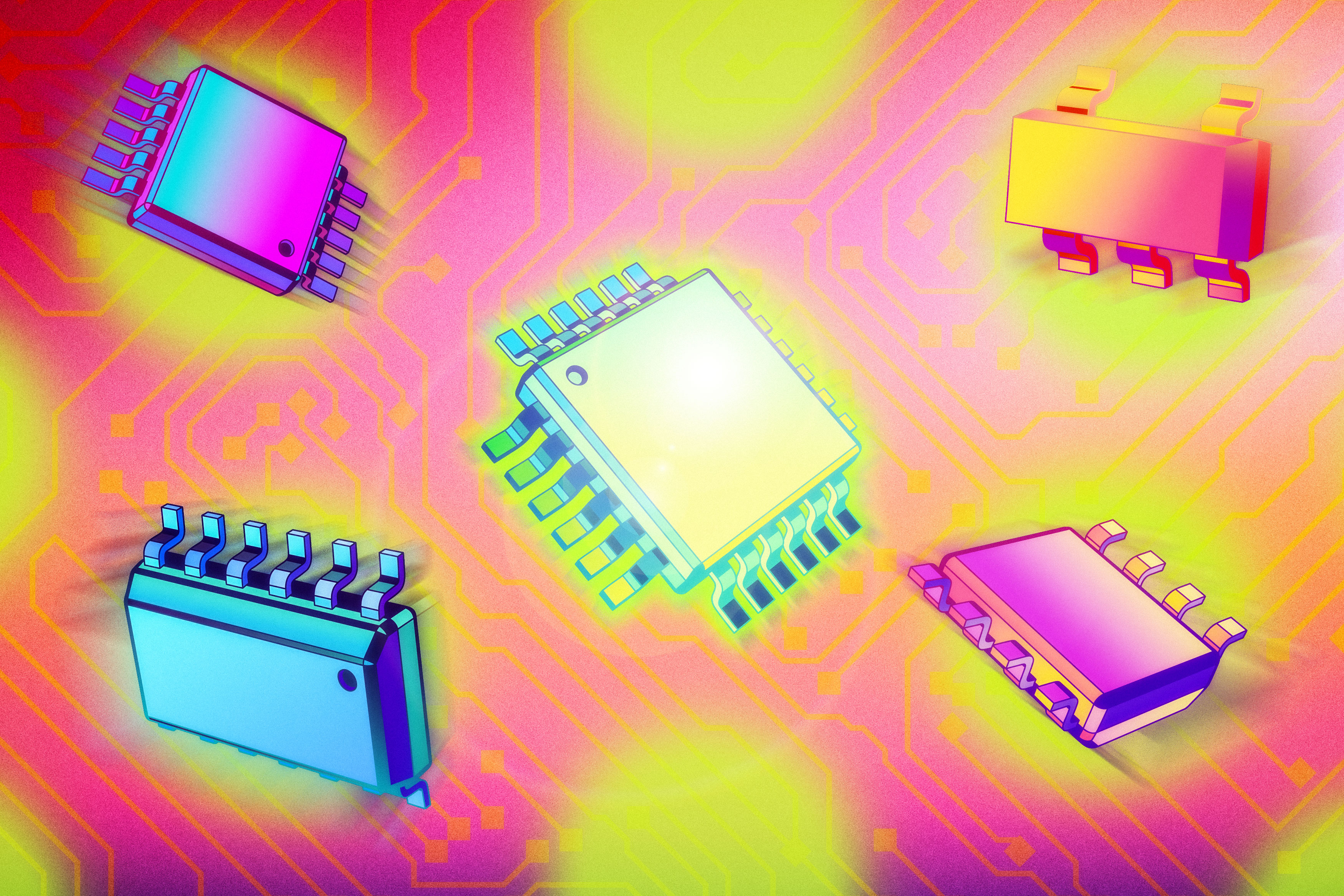



Enforcing physics-based constraints prevents AI models from generating unreliable predictions for complex nonlinear systems in weather, climate, and turbulent flows.
Read at news.mit.edu ↗
A panel discussion at MIT explored AI’s implications for mathematical discovery and the people who make it their profession.
Read at news.mit.edu ↗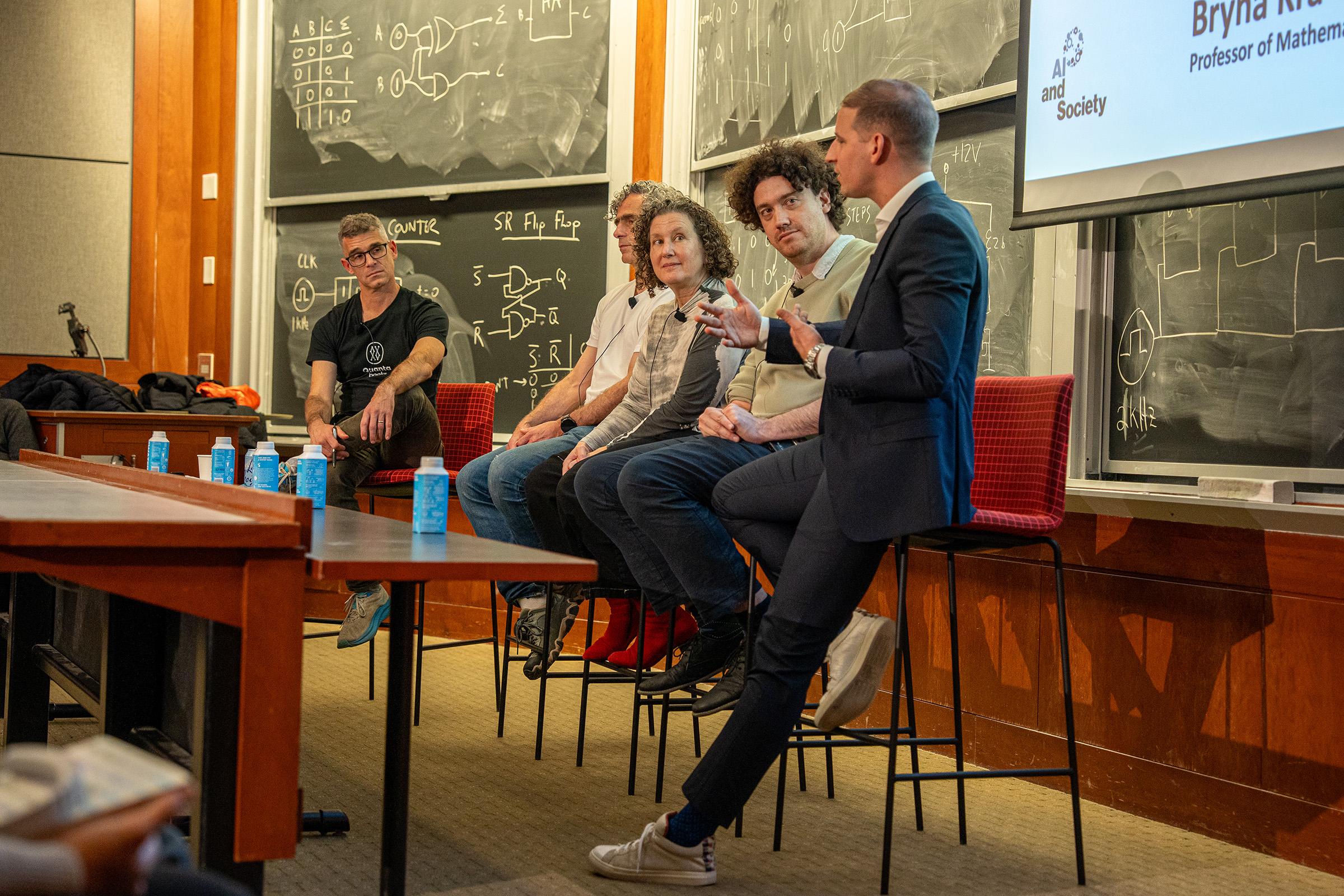
MedChemBench evaluates how well AI models interpret molecular structures, reason from experimental evidence, and select compounds in early drug discovery.
Read at openai.com ↗

Researchers find air pollution from data center electricity use can affect communities far from the facilities, with some of the highest impacts in the Midwest.
Read at news.mit.edu ↗
The speedy microrobot flies without an attached motion-capture system, moving it closer to applications like agriculture or industrial surveillance.
Read at news.mit.edu ↗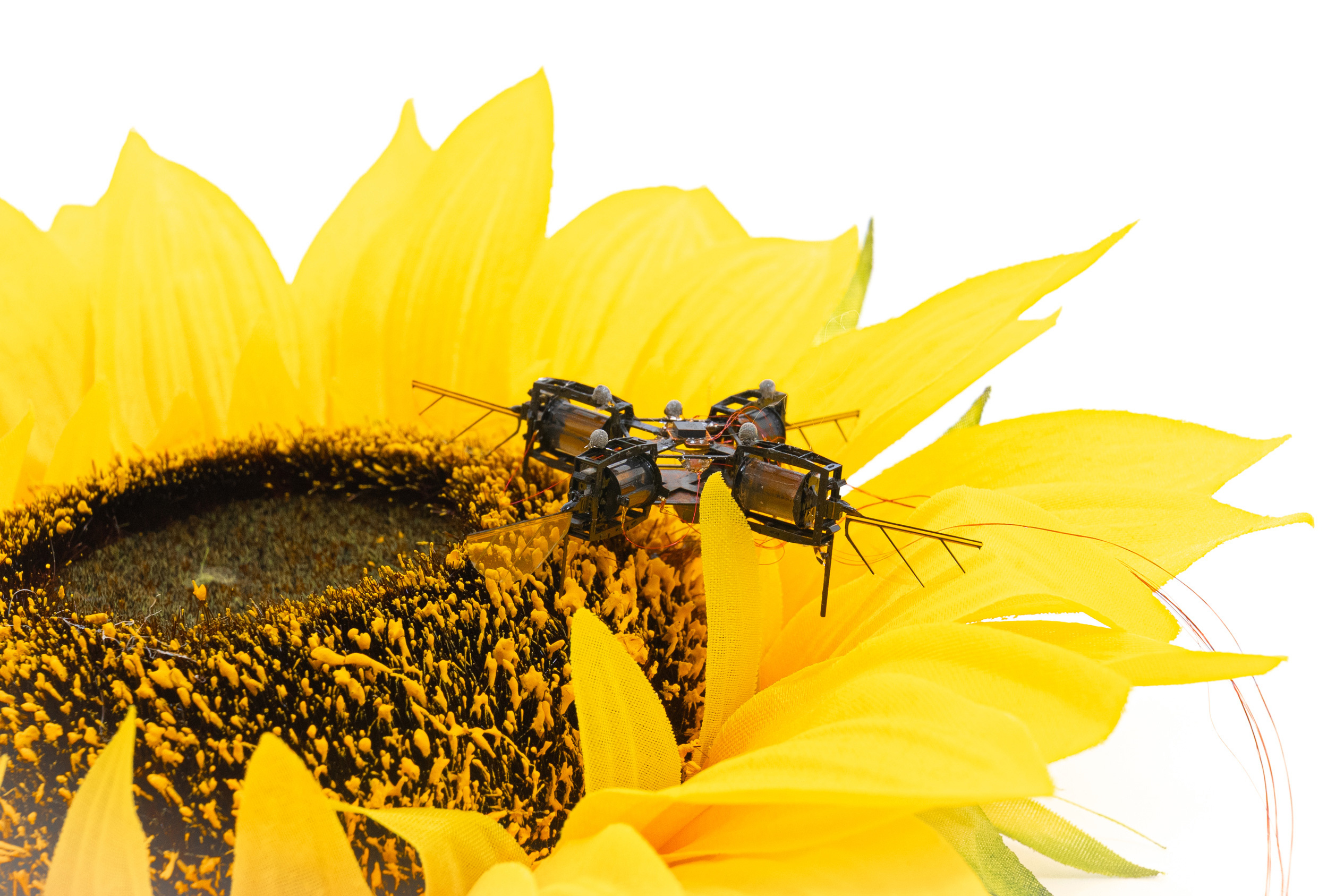

OpenAI measures how coding agents are accelerating AI research, where their performance remains uneven, and what this signals about recursive self-improvement.
Read at openai.com ↗A more flexible training method can make AI text detectors more robust when new models emerge or AI-generated text is disguised to appear human.
Read at news.mit.edu ↗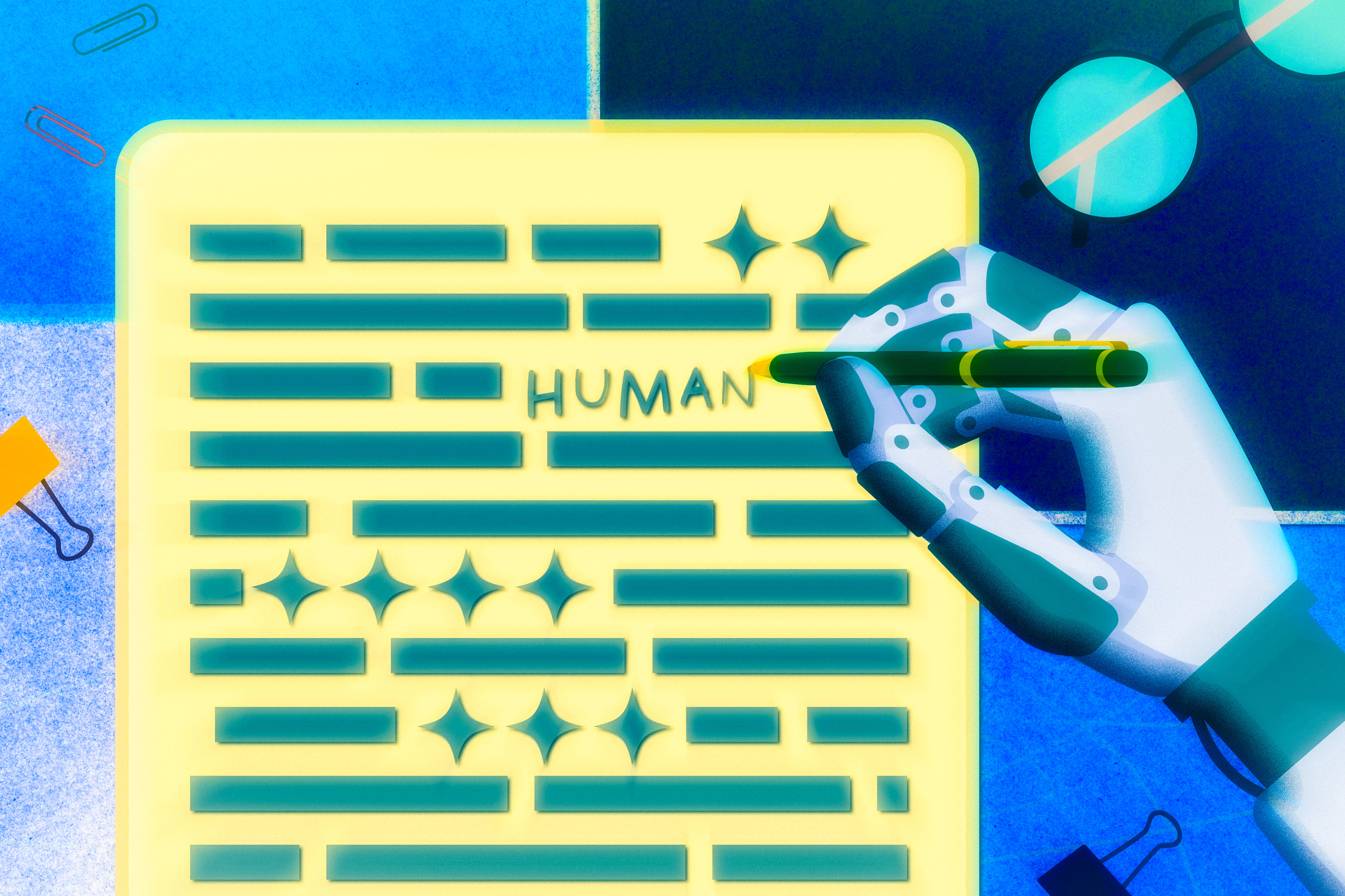

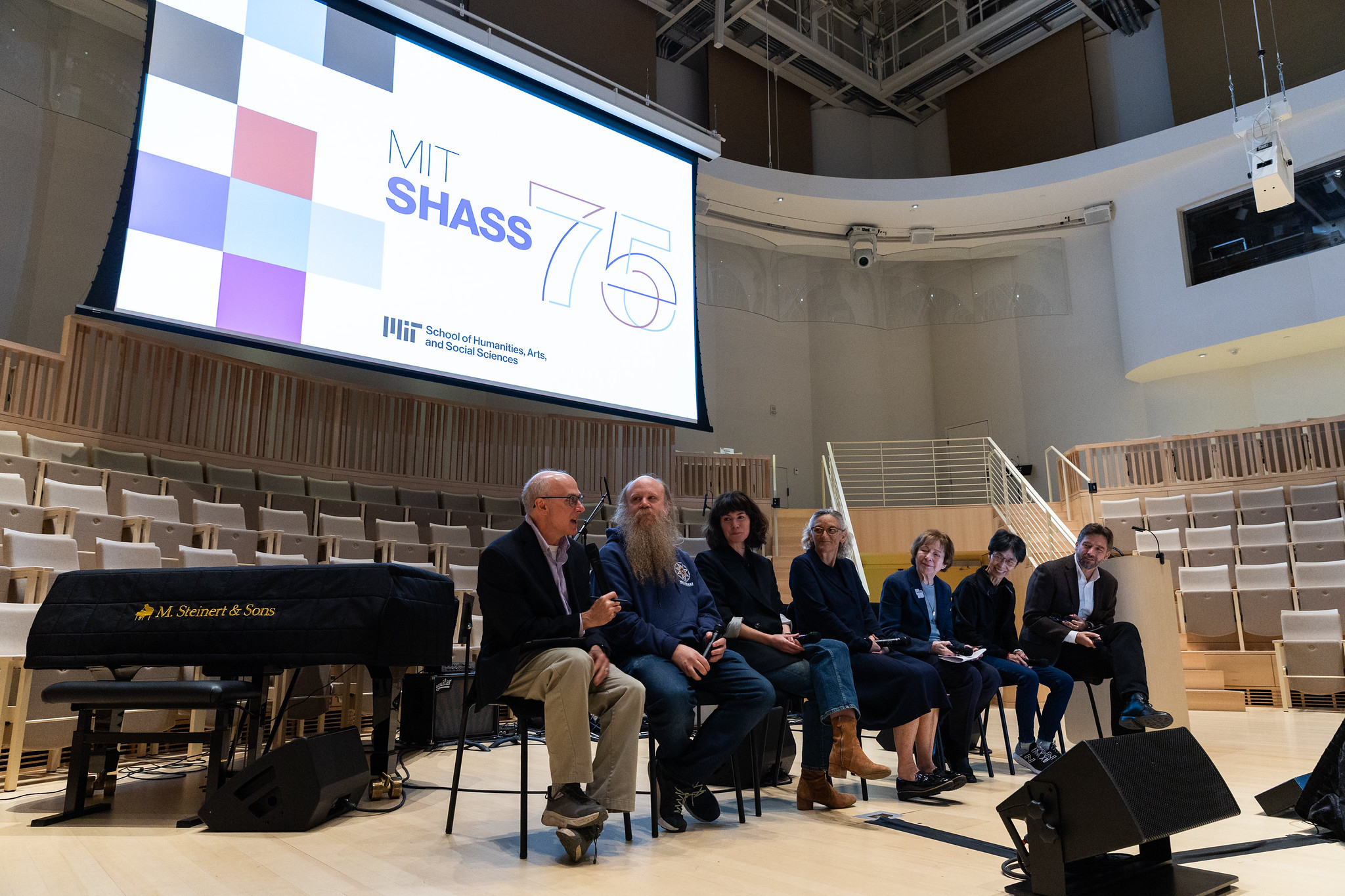
Supported by the MIT Human Insight Collaborative, scholars are exploring how AI is impacting the human experience and reshaping higher education.
Read at news.mit.edu ↗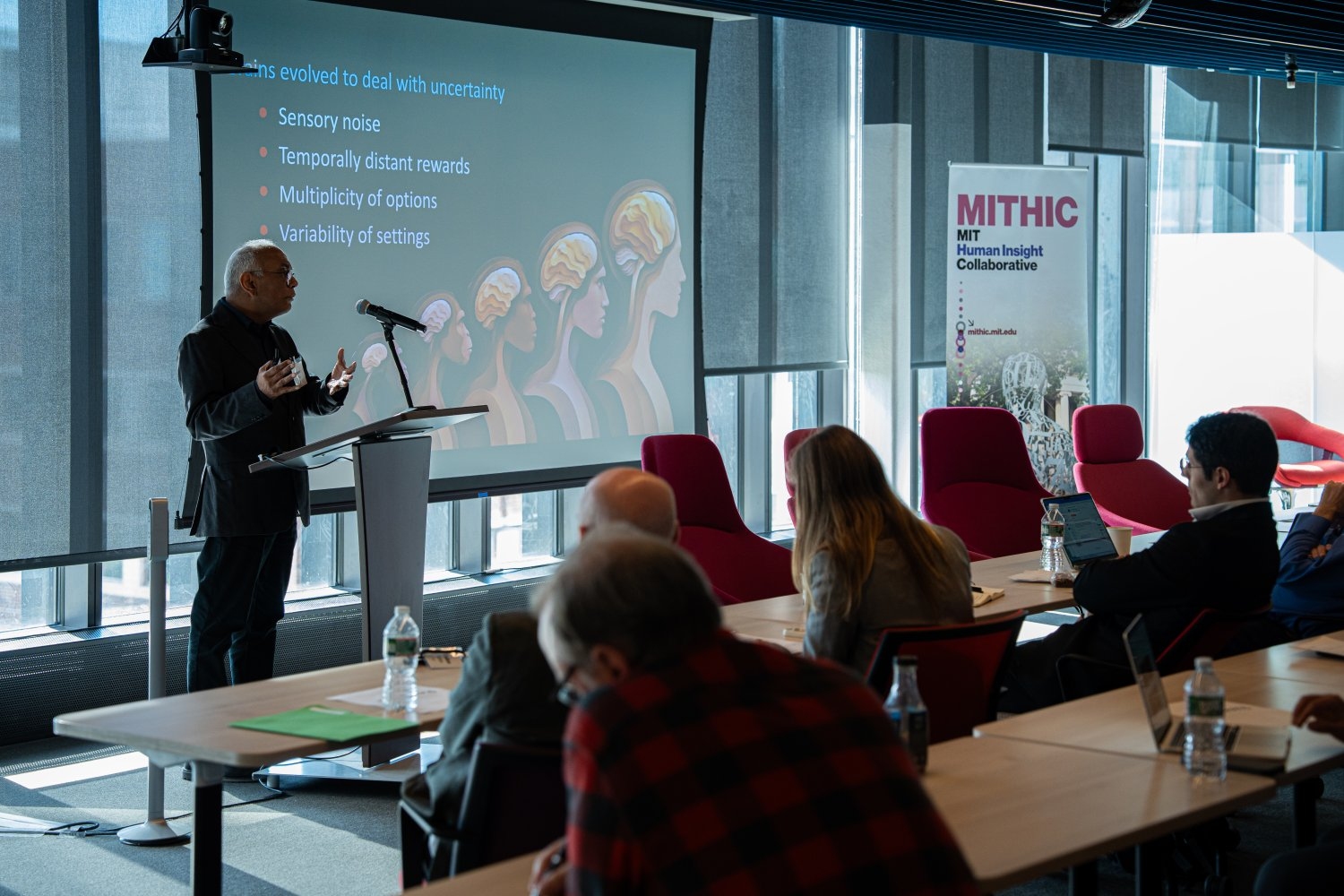
Assistant Professor John Urschel explains why learning the fundamental skills of mathematics is still essential despite the evolution of AI tools.
Read at news.mit.edu ↗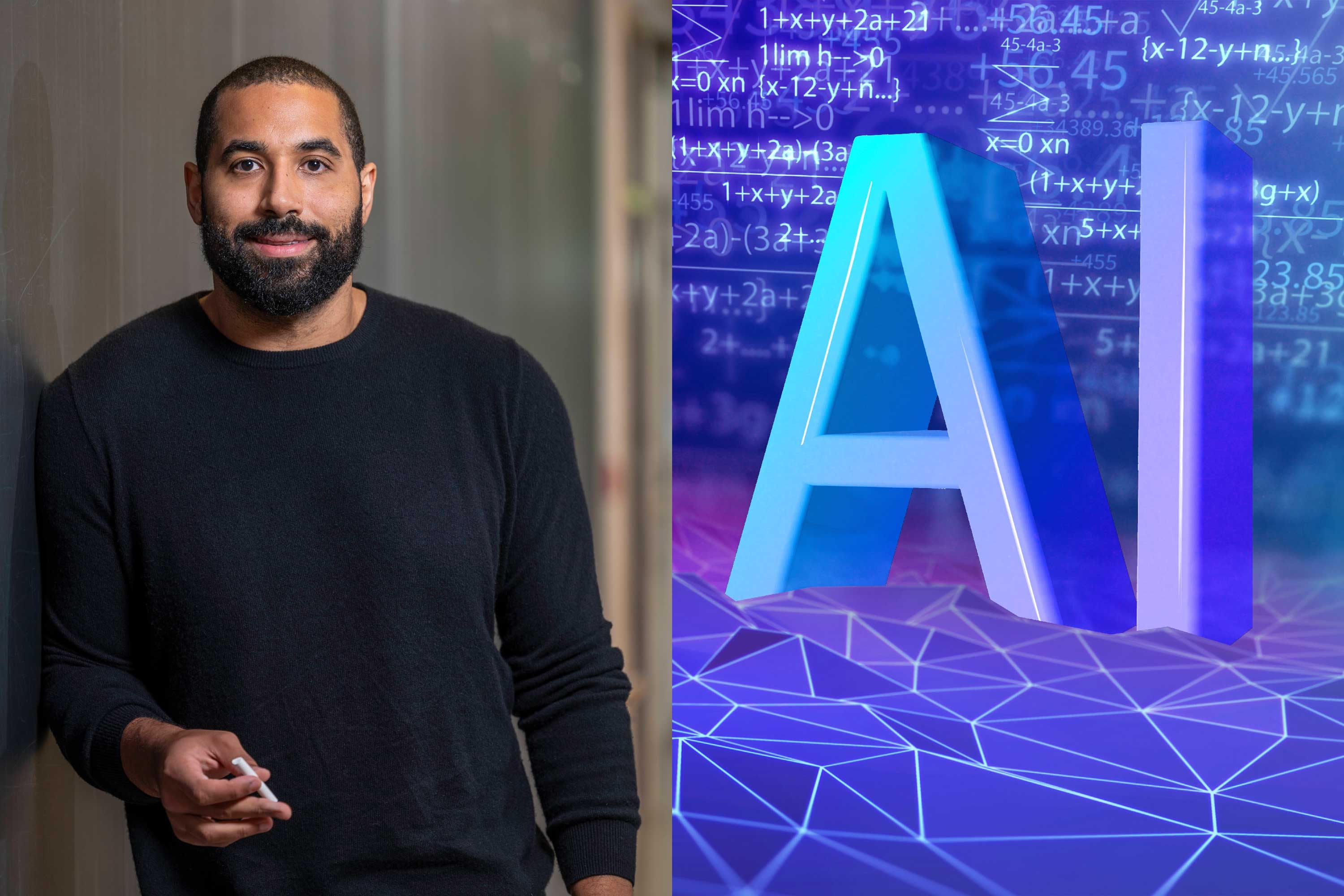
By studying the computational foundations of language learning, Associate Professor Jacob Andreas builds intelligent systems that can communicate effectively with humans.
Read at news.mit.edu ↗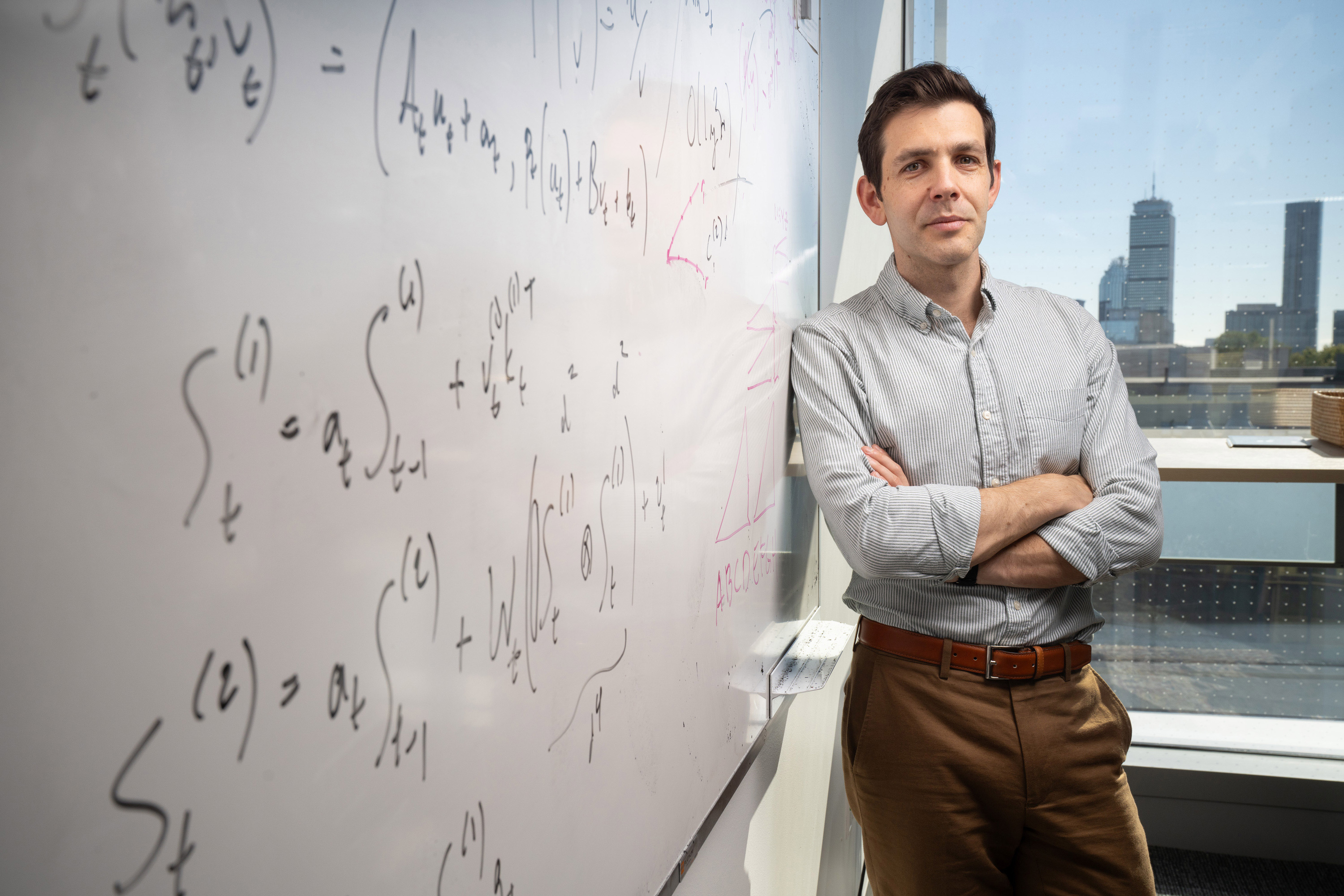
Astra for Law ranked first in a launch evaluation spanning 24 areas of law. Every ChatGPT Enterprise customer can now request access.
Read at openai.com ↗We’re expanding our ChatGPT for Academic Researchers program to offer 200,000 researchers worldwide free access to our frontier models.
Read at openai.com ↗Plus: CucumberVision!
Read at importai.substack.com ↗ Explore how more than 1,800 scientists use ChatGPT in research. See findings on daily workflows, reported productivity, and expectations for discovery.
Read at openai.com ↗Explore a candidate nonperturbative lattice definition of the Standard Model and how GPT-6 Astra helped turn the idea into a detailed proof.
Read at openai.com ↗The OpenAI science blog shares new findings, practical methods, and firsthand accounts from researchers using AI to advance scientific discovery.
Read at openai.com ↗


The system asks humans for feedback to increase trust in machine-generated designs for buildings and bridges.
Read at news.mit.edu ↗
Founded by Anthony Jules ’92, SM ’92 and Professor Emeritus Rodney Brooks, Robust AI’s robots are designed to collaborate with humans in factories and warehouses.
Read at news.mit.edu ↗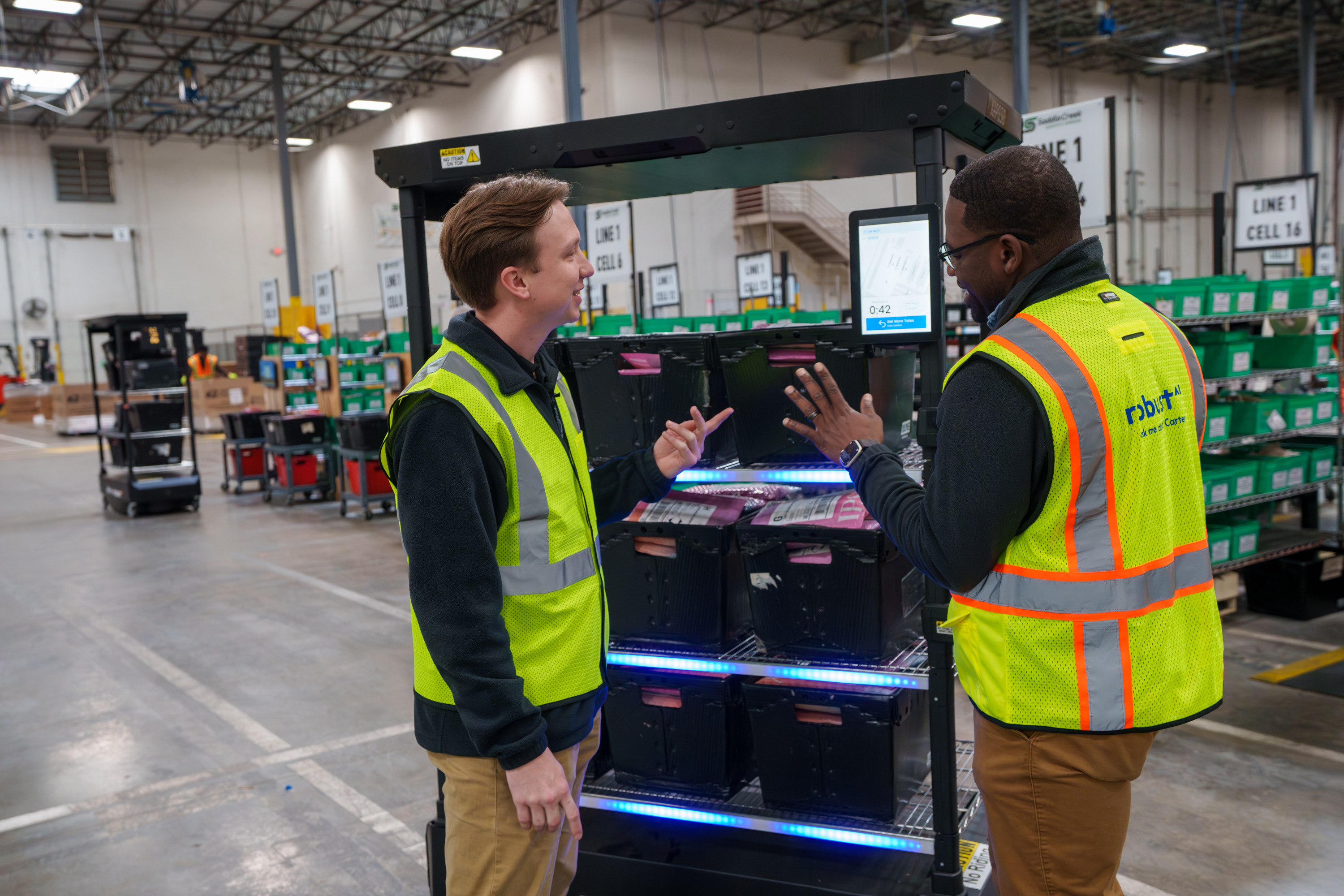
MIT scientists developed a training method to generate models that simulate the effects of human activities on climate much more quickly than other approaches.
Read at news.mit.edu ↗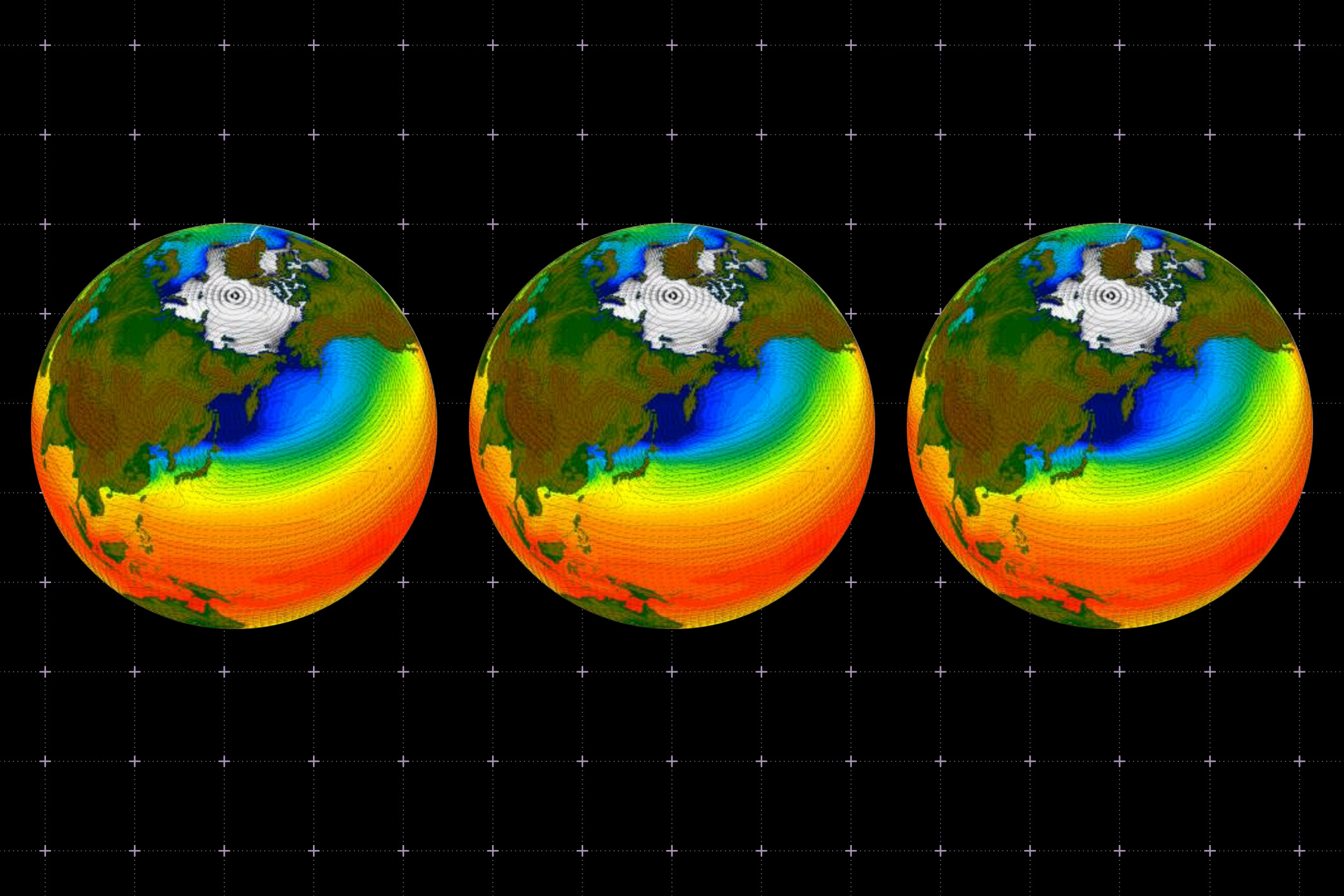

Tabletop is a new Google Labs experiment for group collaboration. Build interactive itineraries, polls, and brackets with your team.
Read at blog.google ↗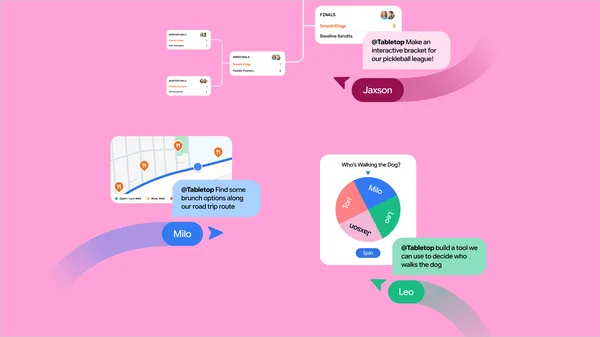
JioStar’s Vijay Seshadri explains AI discovery at 500M-user scale. Read his lessons on evals, guardrails, and taking AI into production.
Read at openai.com ↗New ThinkYoung research and lessons from OpenAI’s EMEA education partnerships on supporting teachers, AI literacy, and independent learning.
Read at openai.com ↗New research from OpenAI and Upwork finds shifting demand for freelance work, new skill combinations, and larger budgets and more hours for AI-related projects.
Read at openai.com ↗S. food supply.
Read at news.mit.edu ↗



When do you think we'll have robots on the moon?
Read at importai.substack.com ↗ Learn how OpenAI’s Control Room tracks model workloads across our research infrastructure and can rapidly stop them when safety or security concerns arise.
Read at openai.com ↗The Conference on Robot Learning (CoRL) takes place November 9–12, 2026, in Austin, Texas.
Read at bair.berkeley.edu ↗
By learning how matter moves, the WorldParticle system could assist with developing soft robots, medicines, and more.
Read at news.mit.edu ↗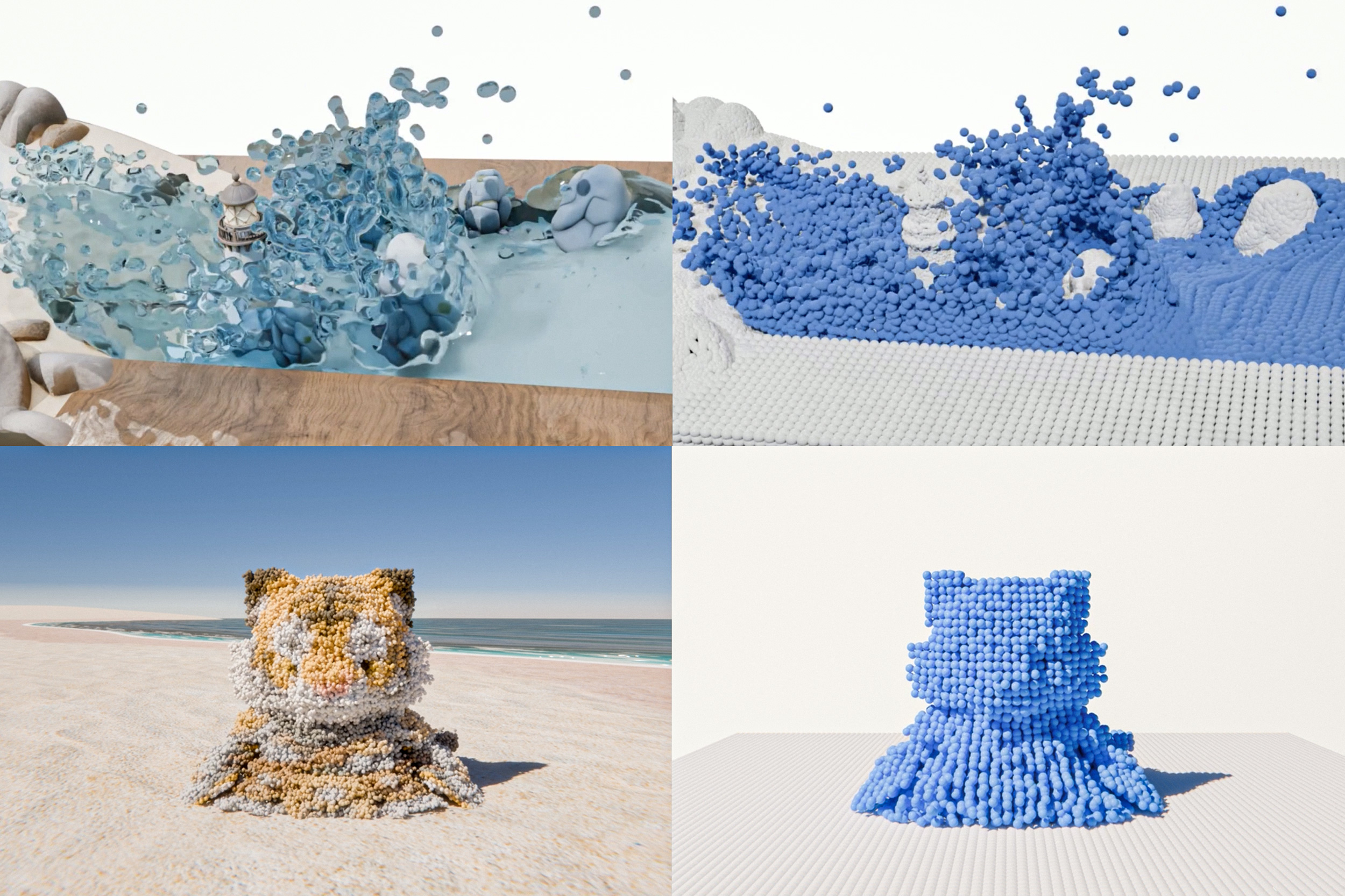

OpenAI introduces BioBasicsBench, a 100-task benchmark measuring how well AI agents interpret raw experimental data and handle everyday wet-lab science.
Read at openai.com ↗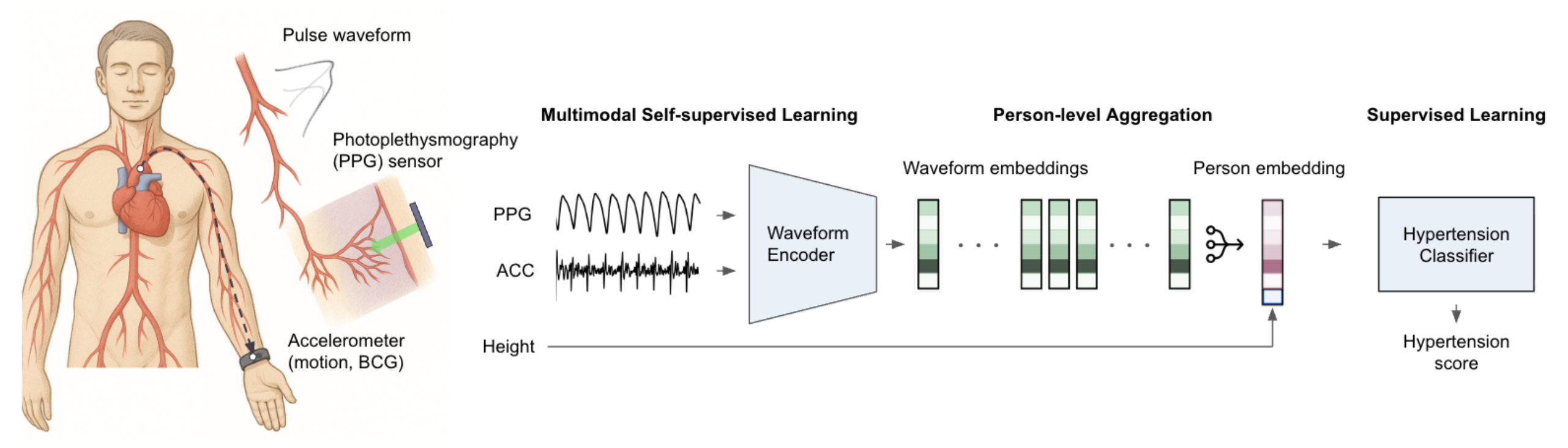
A new system identifies and corrects unreliable object descriptions stored in a robot’s memory, improving the robot’s ability to interact with its environment.
Read at news.mit.edu ↗


nano brought together lab managers from academia, industry, and government to collaborate on best practices and features to enhance shared nanofabrication facility operations.
Read at news.mit.edu ↗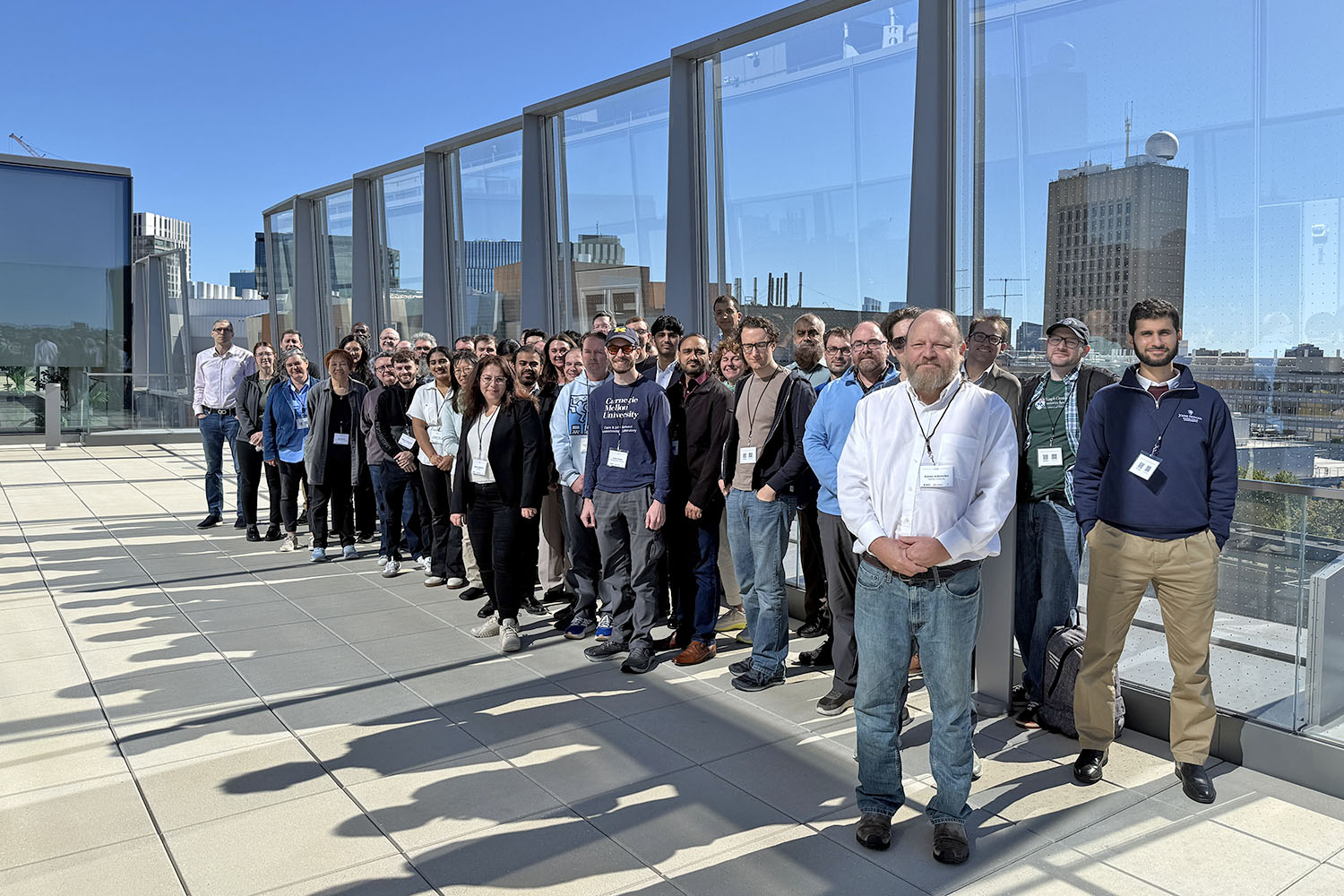


From a nuclear revival to qubits, the MIT Energy Initiative’s annual research conference tracked deployment of today’s technologies to discovery of tomorrow’s breakthroughs.
Read at news.mit.edu ↗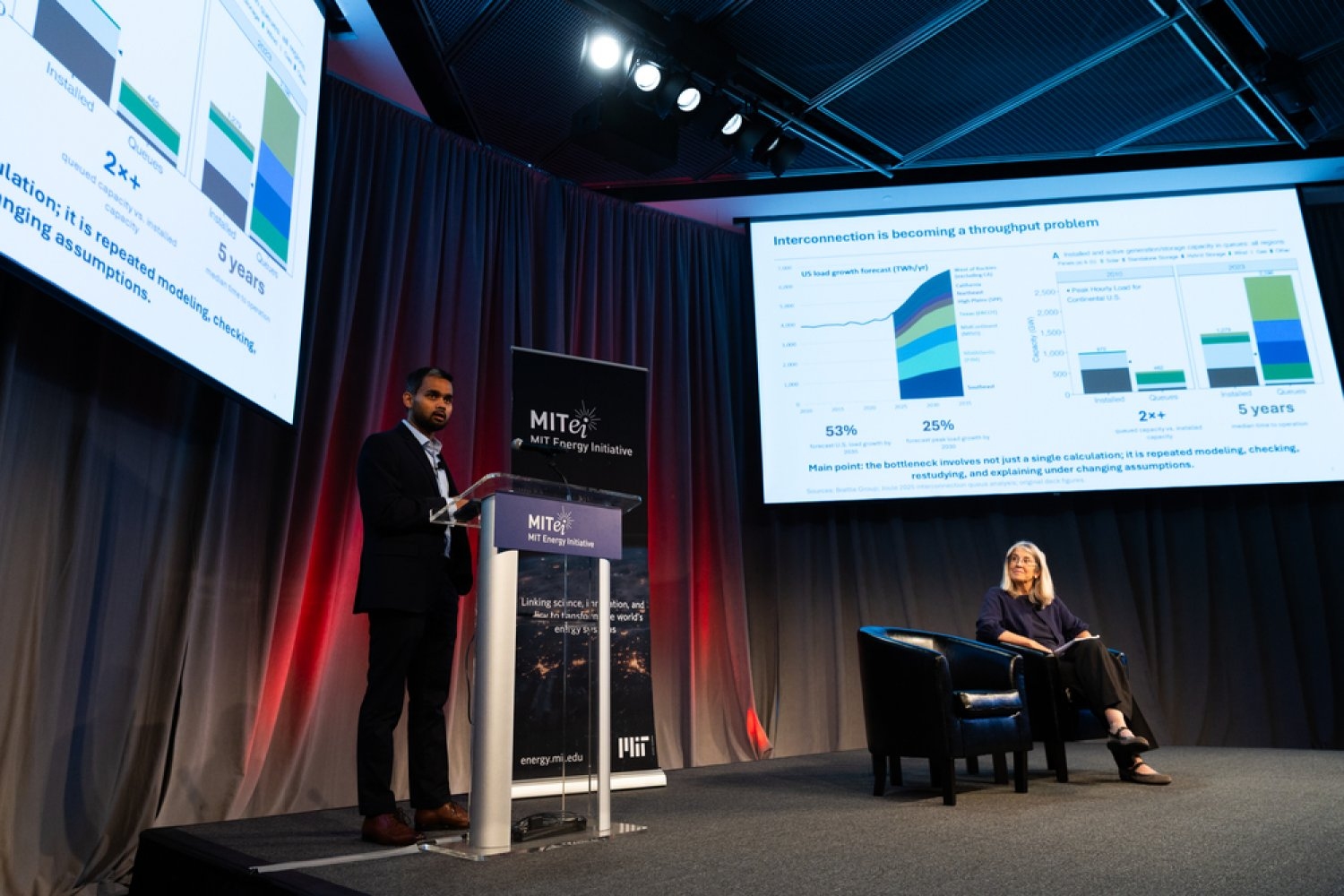
What do LLMs think about vision models?
Read at importai.substack.com ↗ The MIT professors collaborated to identify the first AI-discovered antibiotic, a scientific breakthrough that is widely recognized as a milestone in AI-driven drug discovery.
Read at news.mit.edu ↗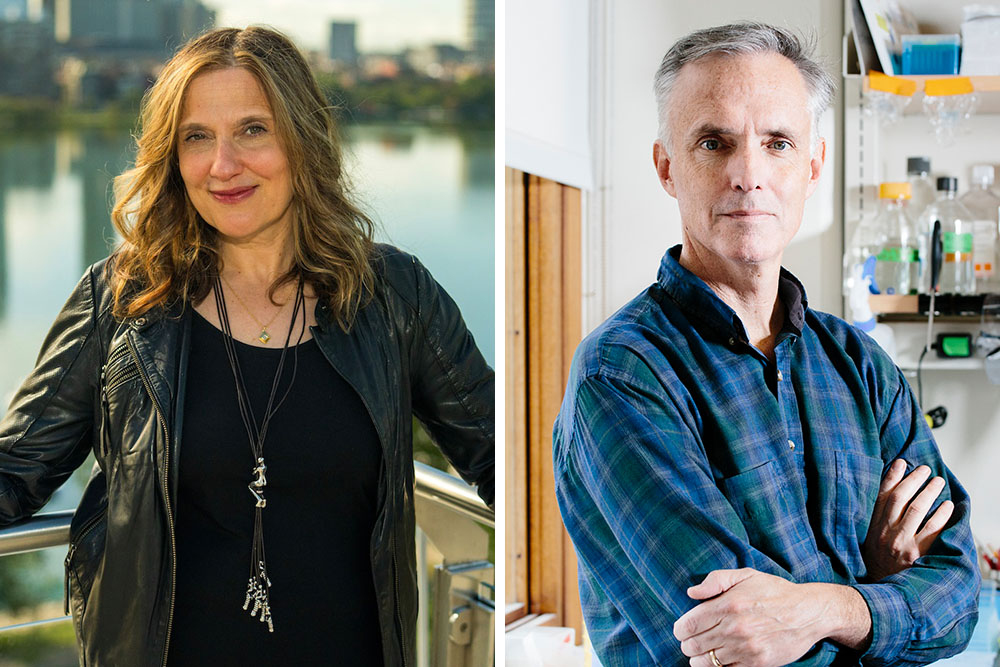
Five MIT faculty members and two additional alumni are honored with fellowships to advance research on beneficial AI.
Read at news.mit.edu ↗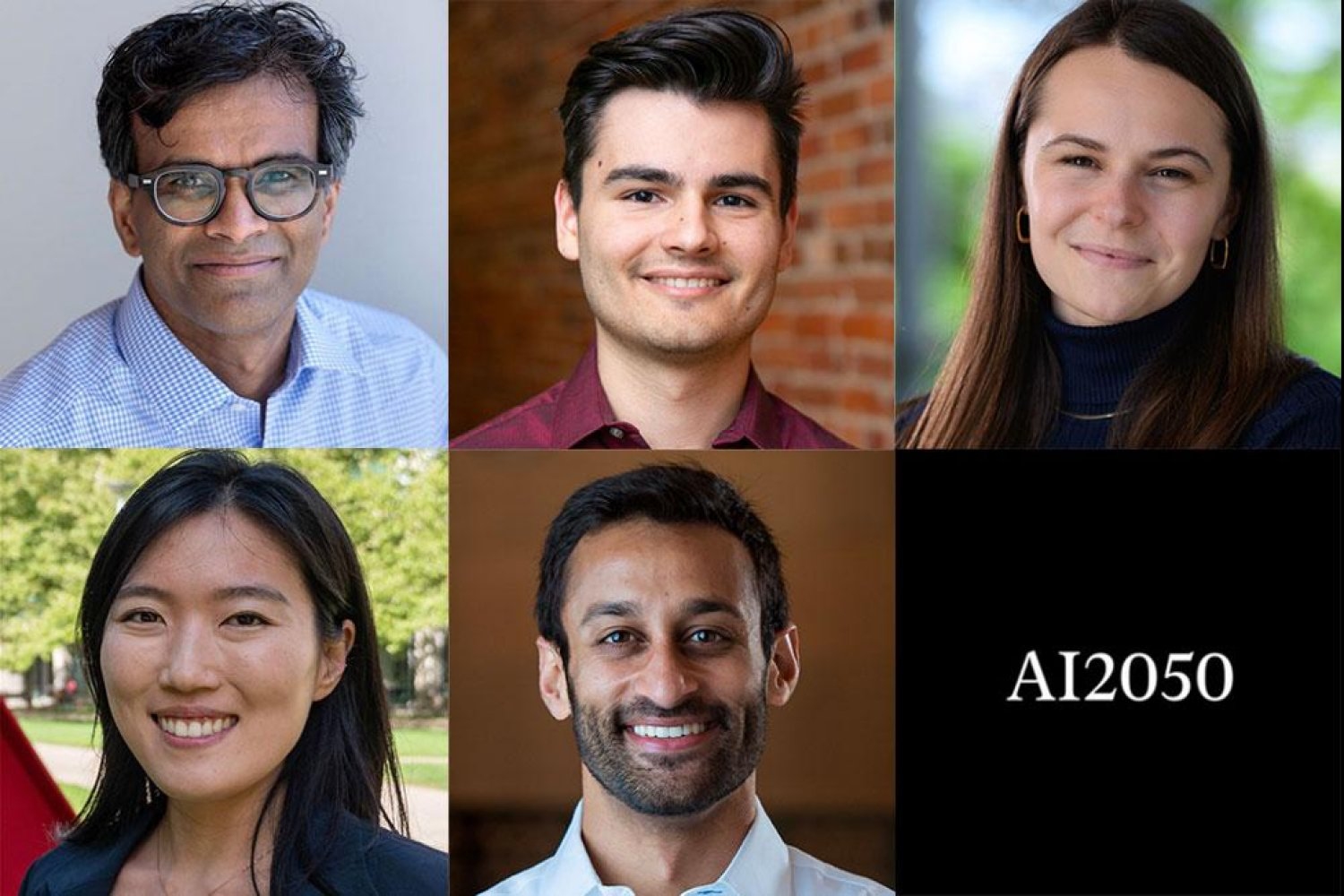

Cohere advances its C$4 billion commitment to strengthen Canada’s AI leadership, expand its national workforce and invest in AI research and infrastructure through 2031.
Read at cohere.com ↗
Build a financial research assistant with Cohere Embed, Rerank, and Parse on AWS. Improve document search, retrieval accuracy, and citation-backed answers.
Read at cohere.com ↗




Professor Paris Smaragdis develops computers with superhuman hearing for applications like speech recognition, music understanding, and environmental monitoring.
Read at news.mit.edu ↗
We’re highlighting 20 scientific foundations, institutions, and research groups from around the world that we’ve partnered with in an expansion of our AI for Science program.
Read at anthropic.com ↗
Prabha Jha used her experience with MIT Open Learning’s program for senior executives to develop AI solutions for her employer, Verizon, and to write a book.
Read at news.mit.edu ↗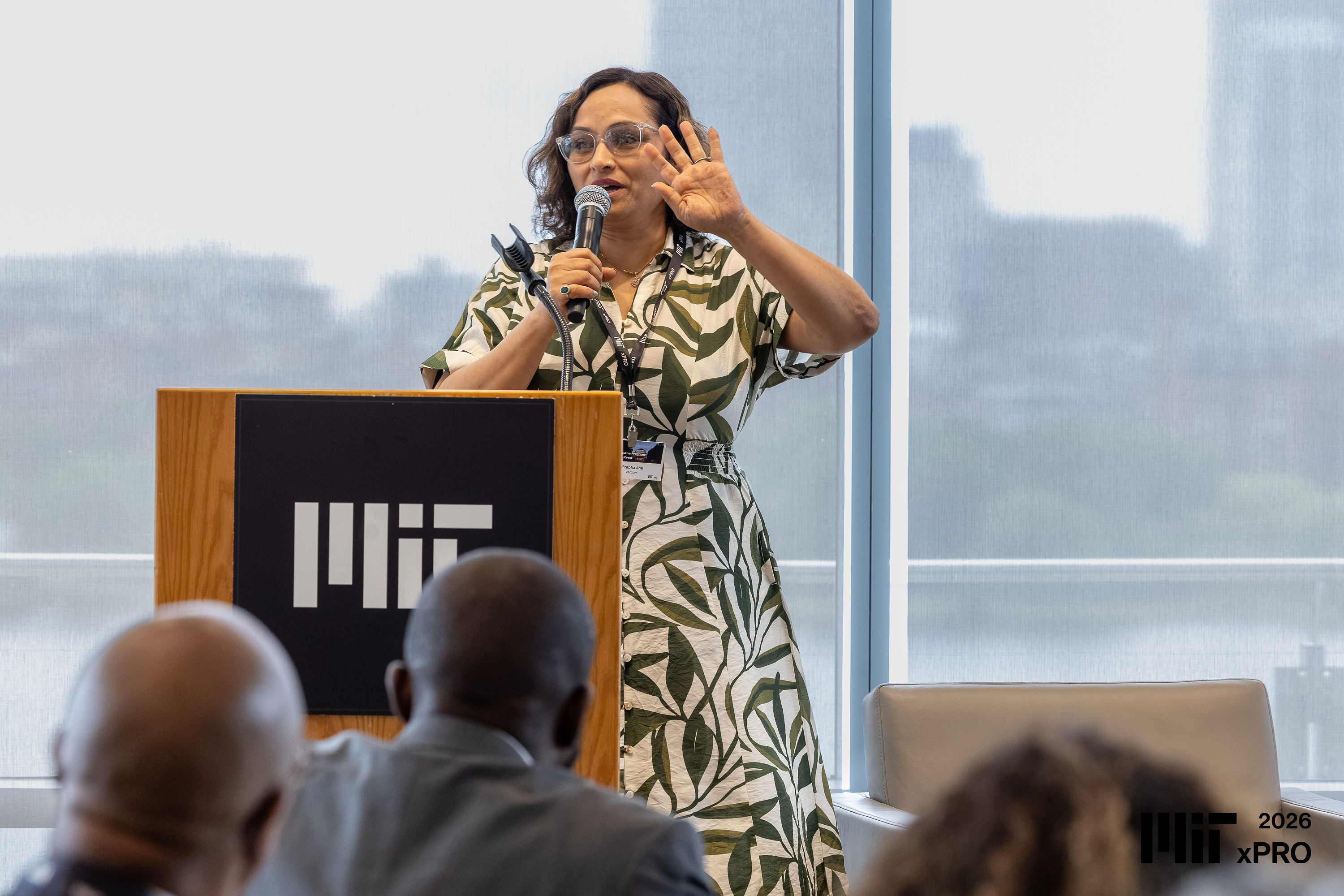

A Blog post by Liquid AI on Hugging Face.
Read at huggingface.co ↗

With OpenAI Daybreak, Check Point speeds up the research behind new security protections, enabling its analysts to turn vulnerability intelligence into customer defenses faster.
Read at openai.com ↗A cross-section of the MIT community convened discussions on topics ranging from data centers and super pollutants to agriculture and education.
Read at news.mit.edu ↗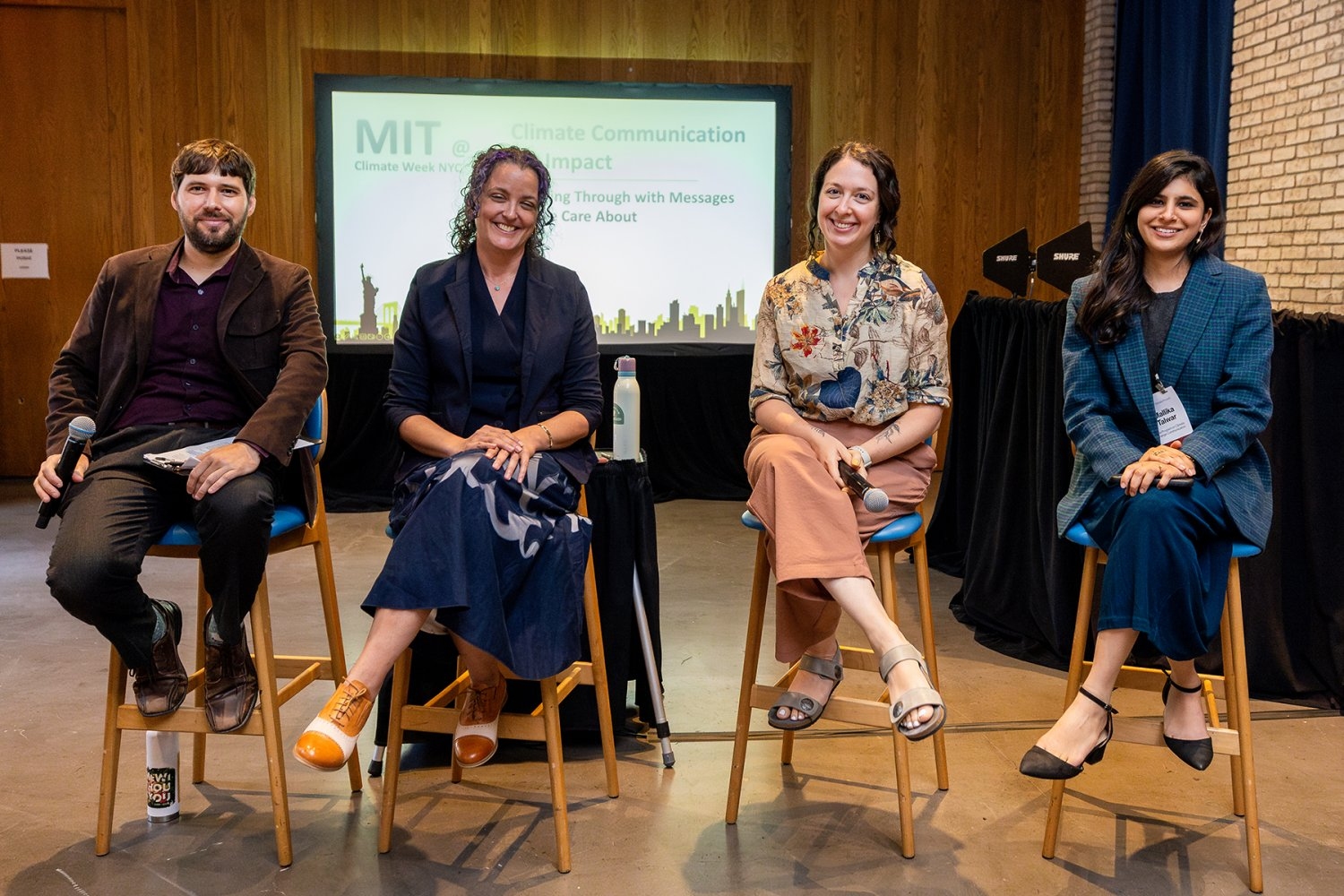
OpenAI shares model results on the Kakeya conjecture, Exponential Time Hypothesis, and quantum chromodynamics—and how researchers can verify and build on them.
Read at openai.com ↗In Compton Lecture, the distinguished legal scholar warns of potential “loss of the Enlightenment” while suggesting ways innovations can meet our civic and cultural needs.
Read at news.mit.edu ↗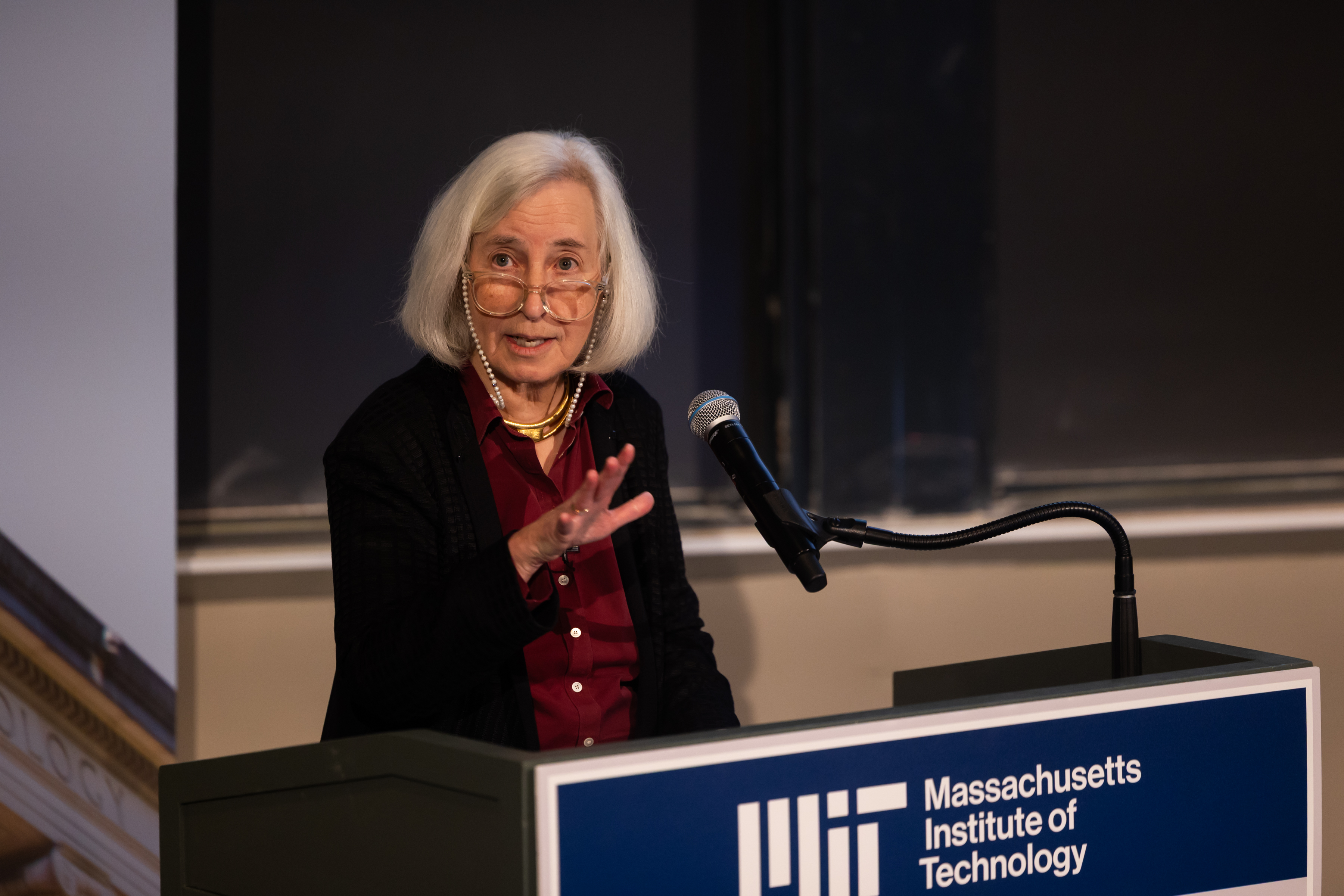


OpenAI explains how we strengthened containment for frontier model training and evaluation, including offline environments and high-compute red-teaming.
Read at openai.com ↗Assistant Professor Benjamin Lindquist studies how engineers deliberately injected randomness into early AI, giving rise to deep-learning models that sometimes hallucinate.
Read at news.mit.edu ↗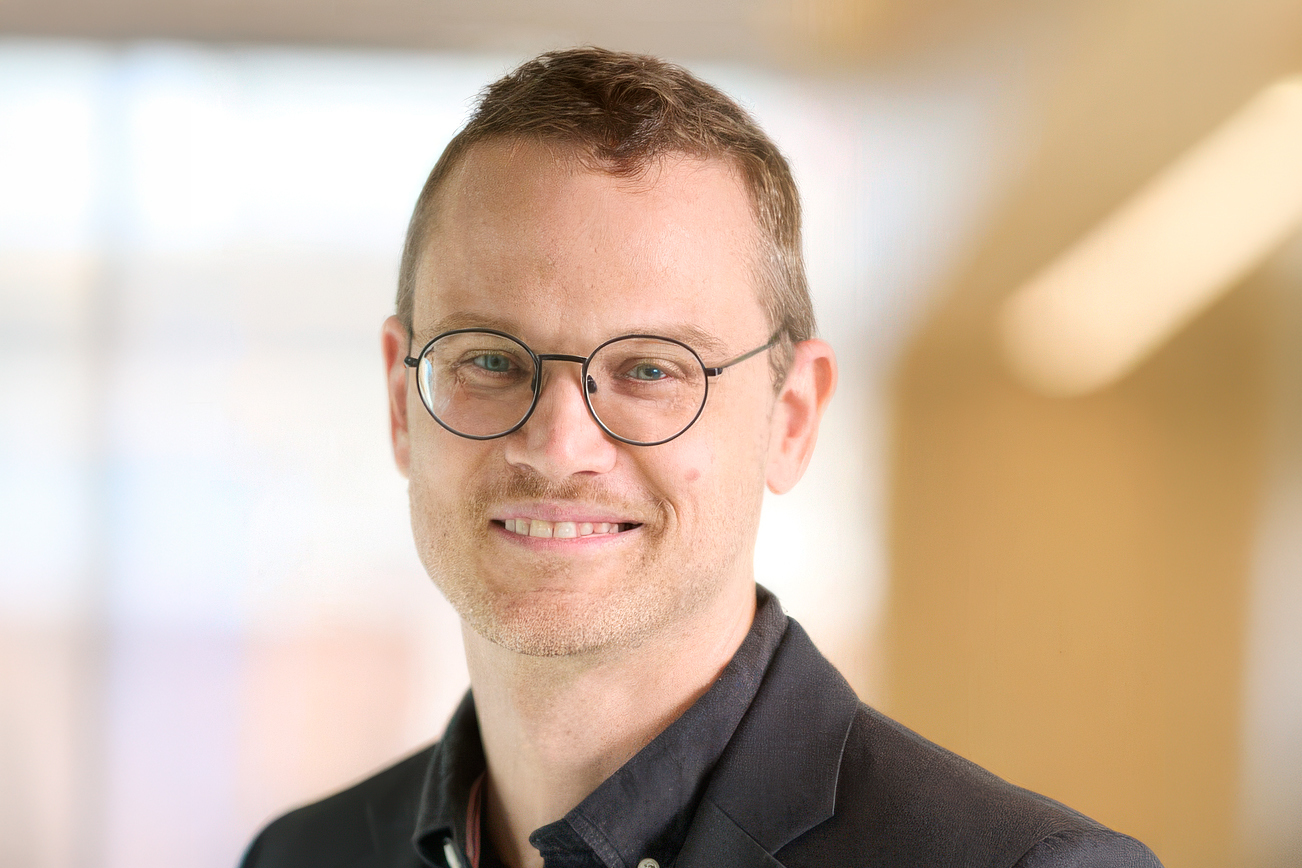
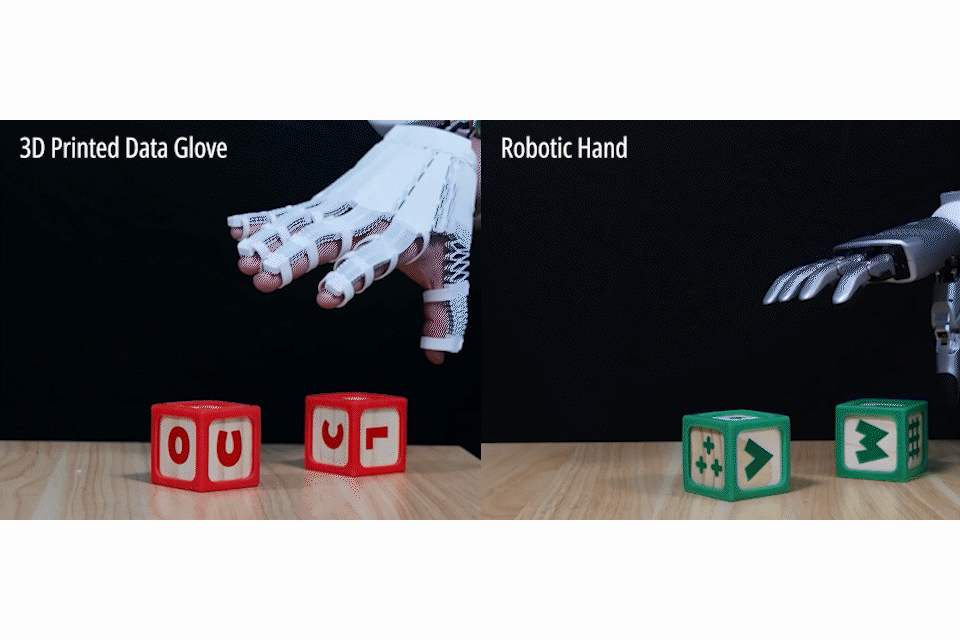
“X-Hinges” helps design and 3D print items like lamps and gloves with an interactive twist: automatically embedded sensors that perceive and adaptively respond to human contact.
Read at news.mit.edu ↗